Pedro Almeida Maia is an author / writer from Ponta Delgada, born in 1979. He graduated in Psychology from the University of the Azores and finished his master’s in Work, Organizational and Personnel Psychology from the University of Coimbra and the University of Barcelona. He worked in Galway, Ireland, and returned to the Azores Islands in 2017.
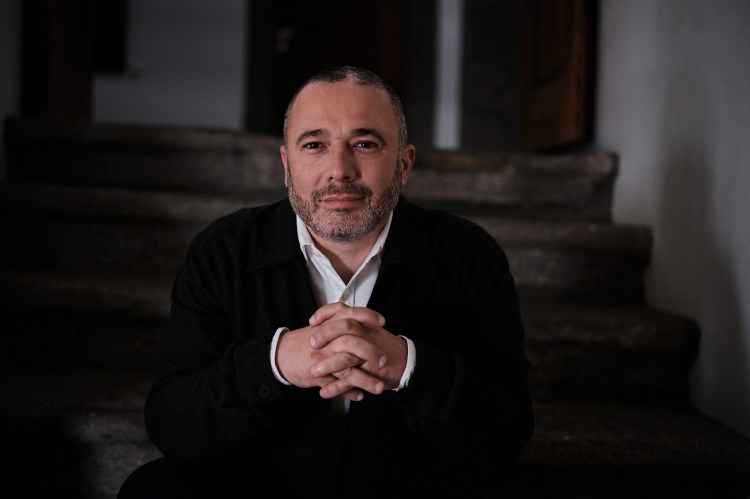
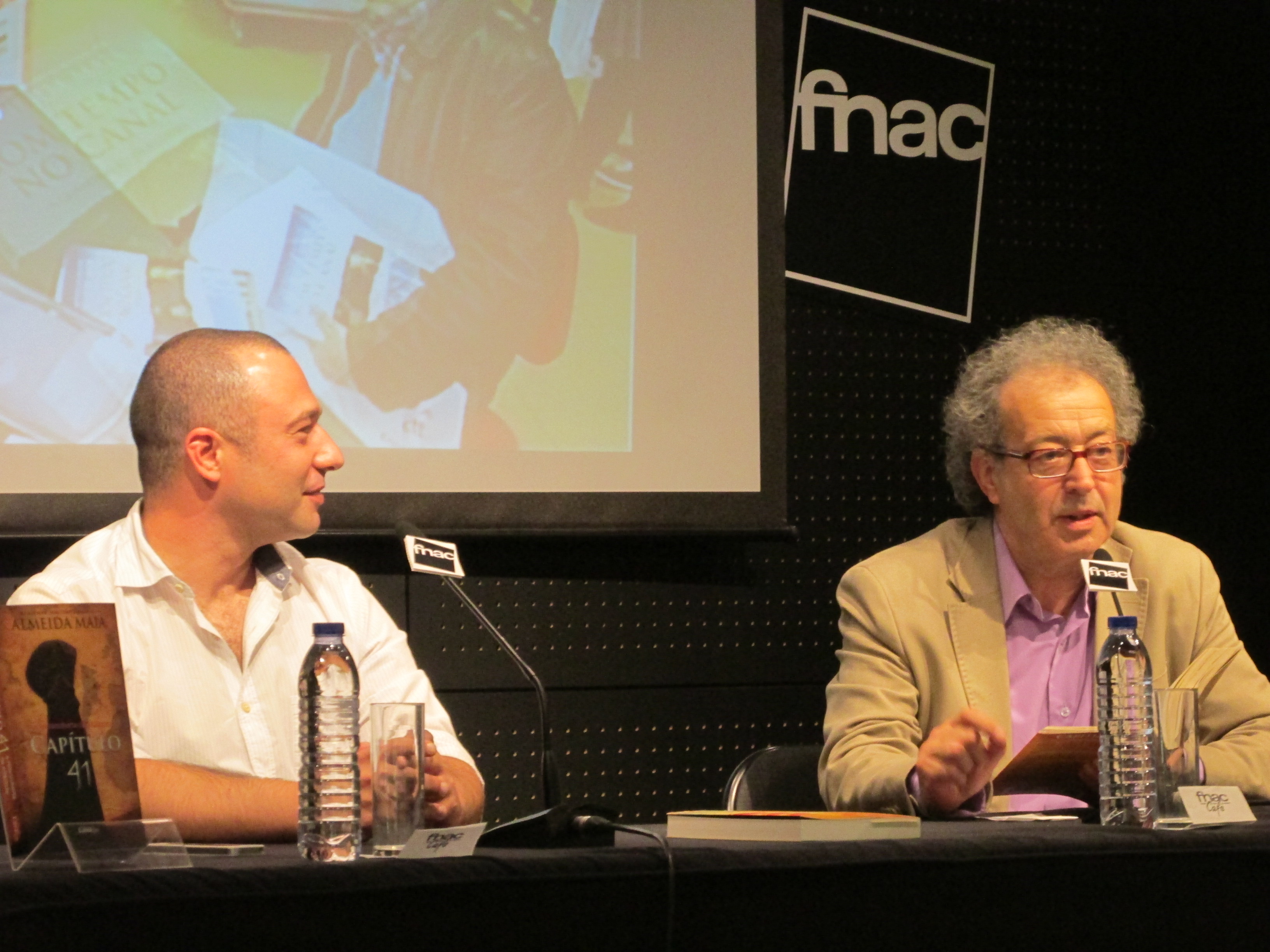
His first book was released in 2012, the award-winning crime fiction novel Bom Tempo no Canal: A Conspiração da Energia, followed in 2013 by its sequel, Capítulo 41: A Redescoberta da Atlântida. In 2014 he published the drama fiction novel Nove Estações, then came the science fiction A Viagem de Juno in 2019.
Ilha-América (2020), inspired by the true story of a teenage boy from the Azores islands that climbs inside an aircraft’s nose wheel well, hoping to reach the United States, was considered Book of The Year by both Carlos Melo Bento in Açoriano Oriental newspaper and Santos Narciso in Atlântico Expresso newspaper, contemplating it as “another great novel enriching the Azorean literature”. Vamberto Freitas considered it a “fundamental novel of our canon, of our history” in Açoriano Oriental newspaper.
His sixth book, A Escrava Açoriana (2022), about the White Slavery period in Brazil, has been praised by critics as “a breathtaking narrative” (Onésimo Teotónio Almeida) or “a superb and quite original novel” (Telmo R. Nunes) with “vibrant, ironic, visual and sometimes remote writing in its occasional Azoreanisms” (João de Melo). It inspired the contemporary dance play Açorada by 37.25 Performing Arts Center. It was also considered Book of The Year by both Santos Narciso in Atlântico Expresso and Alfredo da Ponte in Portuguese Sun newspapers.
A Força das Sentenças (2023), won the Manuel Teixeira Gomes literary award, selected unanimously “for the topicality, the originality, the creativity and metaphorical language”. It was selected for the top ten books of the year by Carlos Melo Bento in Açoriano Oriental newspaper and has been considered “of particular interest for literature and neuroscience” (Víctor Rui Dores, Diário Insular).

His eight and most recent book, Condenação (2025), is a fiction novel inspired by the true story of an Azorean gangster in 1920s United States of America, involved in one of the most controversial trials in US history: that of the Italian anarchists Sacco and Vanzetti. It was selected for the Observador ‘s books of the year list. It has also been considered “one of those breathtaking books, unveiling the unheard-of adventures of an Azorean in North American lands” (Luís Soares Almeida, Diário dos Açores) and “a remarkable exercise in historical fiction, notable for its combination of rigorous documentary research and literary craftsmanship” (António Pedro Costa, Correio dos Açores).
For press articles and reviews, please visit: https://almeidamaia.com/imprensa/
He started his literary career writing for music in 1996, still ongoing through participations with Mar & Ilha, in «Navio-Poema», for example. Begun chronicle writing about arts in 2011, under “Pavilhão Auricular” for the Terra Nostra newspaper, then came the satire “Cronicista” in Fazendo newspaper from Faial Island, and later the theme “Recursos dos Humanos” for Açoriano Oriental, amongst other articles for Diário Insular, Correio dos Açores, Diário dos Açores, Mundo Lusíada (Brazil), LusoPresse (Canada), and The Portuguese Times (USA). In 2024, he wrote monthly descriptions of paintings by Cristina Troufa for Descendências magazine’s covers. He also writes for Visão magazine

He won the Letras em Movimento (2010), Discover Azores (2014), and Manuel Teixeira Gomes (2023) literary awards, was selected for the LabJovem Showcase (2014), for the Antologia de Contos do Centro de Estudos Mário Cláudio (2018), and for the Nova Antologia de Autores Açorianos (2022). He has poems translated into English, and many of his works are included in the Azores Regional Reading Plan.

He was considered Writer of The Year in 2012 by Carlos Melo Bento in Açoriano Oriental newspaper, again in 2014 by the Correio dos Açores newspaper, and again in 2024 by the Associação Internacional dos Colóquios da Lusofonia. He is also described as “a respectable voice of the new literature of these islands” (Onésimo Teotónio Almeida, Diário de Notícias), “together with the best contemporary Portuguese writers” (Telmo R. Nunes, Portuguese Times), “the most cinematic of Azorean writers” (Víctor Rui Dores, Diário Insular), “a key figure in the literary landscape (António Pedro Costa, Correio dos Açores), “a great writer who honours Azorean heritage in all its dimensions” (Carolina Matos, Portuguese American Journal), and “at the center of this literary hurricane that will certainly mark 21st century Azorean literature” (Miguel Real, Jornal de Letras).
He also writes in other genres, such as children’s literature, poetry, essays, and short stories, having started screenwriting with the script for the Islanders TV series, produced by Ana Lopes and directed by Hugo França.
 Pedro Almeida Maia